Khadi
“Hand-spun cloth that won a nation.”
The Story
Popularised by Mahatma Gandhi in 1918 as a symbol of self-reliance. Khadi is more than a fabric—it is a symbol of India's freedom, self-reliance, and sustainable craftsmanship. The word "Khadi" refers to hand-spun and handwoven cloth made from natural fibers such as cotton, silk, or wool. The origins of Khadi can be traced back thousands of years to India's ancient textile traditions, when hand spinning and hand weaving were an integral part of rural life. For centuries, Indian artisans produced fine handwoven fabrics that were admired around the world. Khadi gained national significance during India's freedom movement in the early 20th century. Under the leadership of Mahatma Gandhi, Khadi became a symbol of Swadeshi (self-reliance) and resistance against British industrial textiles. Gandhi encouraged Indians to spin yarn on the Charkha (spinning wheel) and wear Khadi as a means of supporting local artisans and reducing dependence on imported cloth. The spinning wheel soon became a powerful symbol of economic independence and rural empowerment. Millions of people across India participated in the movement, making Khadi not just a fabric but a representation of dignity, self-sufficiency, and national pride. After independence, the Government of India established the Khadi and Village Industries Commission in 1956 to promote Khadi production, support artisans, and preserve traditional hand-spinning and hand-weaving practices. Today, Khadi has evolved beyond its historical role and is celebrated as a sustainable, eco-friendly textile. Designers and artisans continue to innovate with Khadi, creating contemporary apparel, home furnishings, accessories, and lifestyle products while maintaining its handcrafted essence.
The Technique
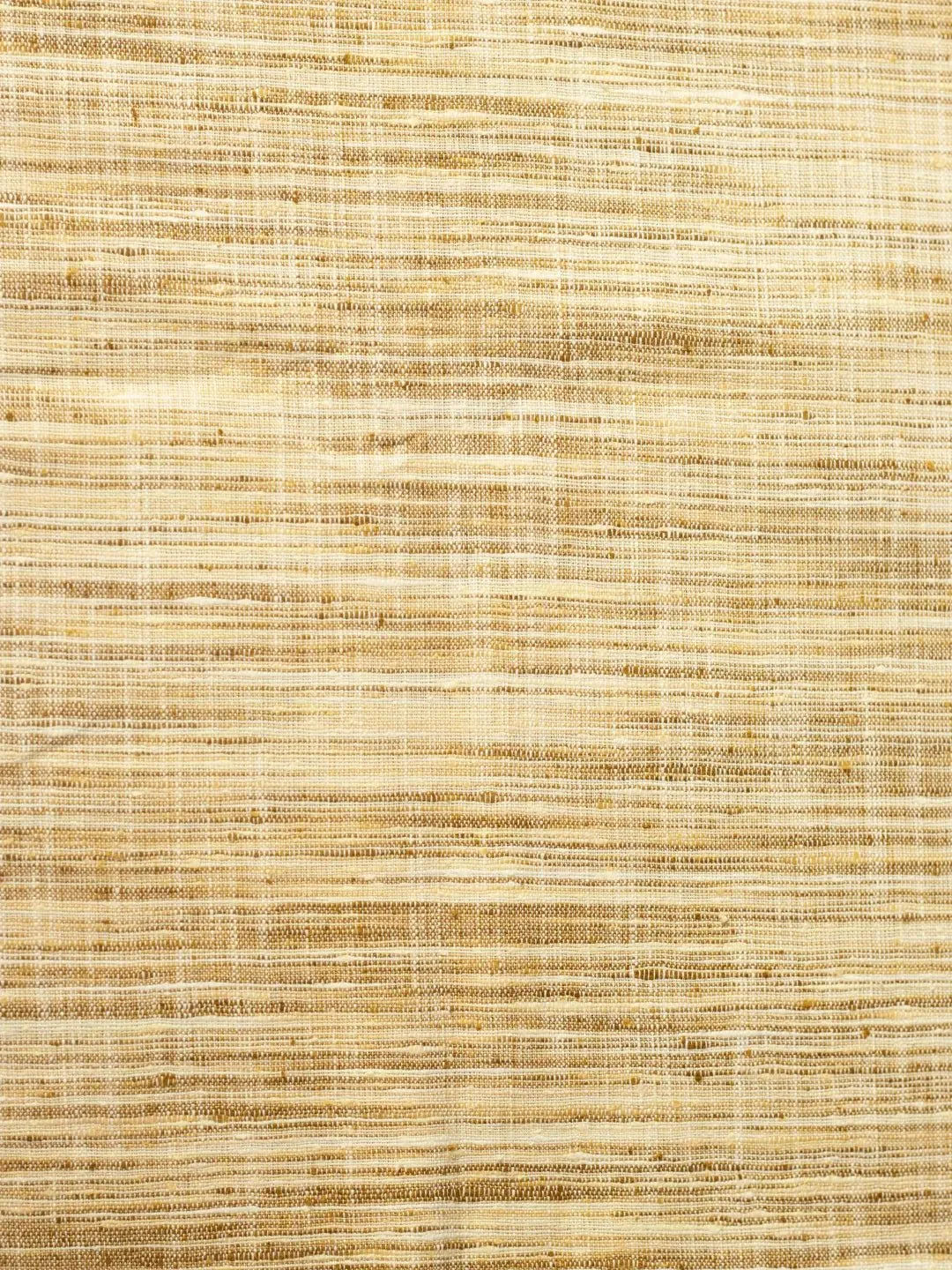
Khadi is created through a traditional process of hand spinning and hand weaving, making it one of India's most sustainable and artisan-led textile traditions. Natural fibers such as cotton, silk, or wool are first cleaned and prepared before being hand-spun into yarn using a charkha (spinning wheel). The yarn is then carefully arranged and woven on a handloom by skilled artisans to create fabric. After weaving, the fabric undergoes washing, finishing, and sometimes dyeing or embellishment. The entire process requires precision, patience, and craftsmanship, resulting in a breathable, durable, and eco-friendly textile. Every piece of Khadi is unique, reflecting the skill of the artisan and preserving a heritage that supports rural livelihoods across India.