Diyas & Lamps
“"A diya does not simply illuminate a space-it illuminates a tradition passed down through generations."”
The Story
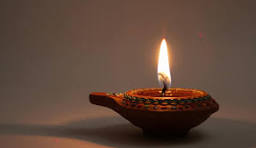
Long before electricity illuminated homes and cities, the humble diya (oil lamp) was the primary source of light in Indian households. More than just a functional object, the diya became a symbol of hope, knowledge, prosperity, and the triumph of light over darkness. The tradition of lighting lamps in India dates back over 5,000 years, with references found in ancient Hindu scriptures, Buddhist texts, and archaeological discoveries from the Indus Valley Civilization. Earthen lamps were crafted from locally available clay and used during prayers, festivals, and important life events. Over generations, artisan families refined the craft, creating diyas and lamps in various forms using clay, terracotta, brass, bronze, stone, and wood. Different regions developed their own unique styles—from the elegant Kuthu Vilakku of Tamil Nadu to the traditional Nilavilakku of Kerala and the beautifully handcrafted terracotta diyas of North India. The significance of diyas is most visible during Diwali, India's Festival of Lights, when millions of lamps are lit to celebrate the return of Lord Rama to Ayodhya and symbolize the victory of good over evil. For artisan communities, this season is not only a cultural celebration but also an important source of livelihood. Today, despite modernization, traditional diya and lamp making continues to support thousands of artisan families across India. Contemporary artisans are blending heritage techniques with modern designs, creating decorative lamps, eco-friendly diyas, and handcrafted lighting products for global markets. Every handcrafted diya carries more than light—it carries centuries of tradition, cultural identity, and the skilled hands of artisans who continue to keep this timeless craft alive.
The Technique
1. Clay Preparation Natural clay is collected, cleaned, and mixed with water to create a smooth and workable material. Impurities such as stones and roots are removed to ensure durability and a fine finish. 2. Shaping the Diya Artisans shape the diya either by hand or using a traditional potter's wheel. The clay is molded into the characteristic bowl shape with a pointed edge to hold the wick. 3. Drying Freshly shaped diyas are left to dry naturally in the sun for several hours or days. Proper drying prevents cracking during firing. 4. Surface Finishing Once dry, the surface is smoothed by hand. Decorative patterns, carvings, embossing, or traditional motifs may be added depending on the regional style. 5. Firing The dried diyas are fired in a kiln or traditional furnace at high temperatures. This process hardens the clay and increases durability. 6. Coloring & Decoration After firing, artisans may paint the diyas using natural or synthetic colors. Decorative elements such as mirrors, beads, glitter, gold foil, or hand-painted motifs are added for festive and decorative collections. 7. Quality Inspection Each piece is checked for cracks, shape consistency, finish quality, and functionality before packaging. Materials Used Natural Clay Terracotta Clay Brass Bronze Stone Cotton Wick Natural Oils (Mustard, Sesame, Ghee) Eco-friendly Colors and Decorative Materials Traditional Skills Involved Hand Molding Wheel Throwing Carving & Embossing Kiln Firing Hand Painting Metal Casting (for brass lamps) Polishing & Finishing
Traditional Motifs
Shop Diyas & Lamps Products