Batik
“Batik: Where Wax, Color, and Tradition Unite.”
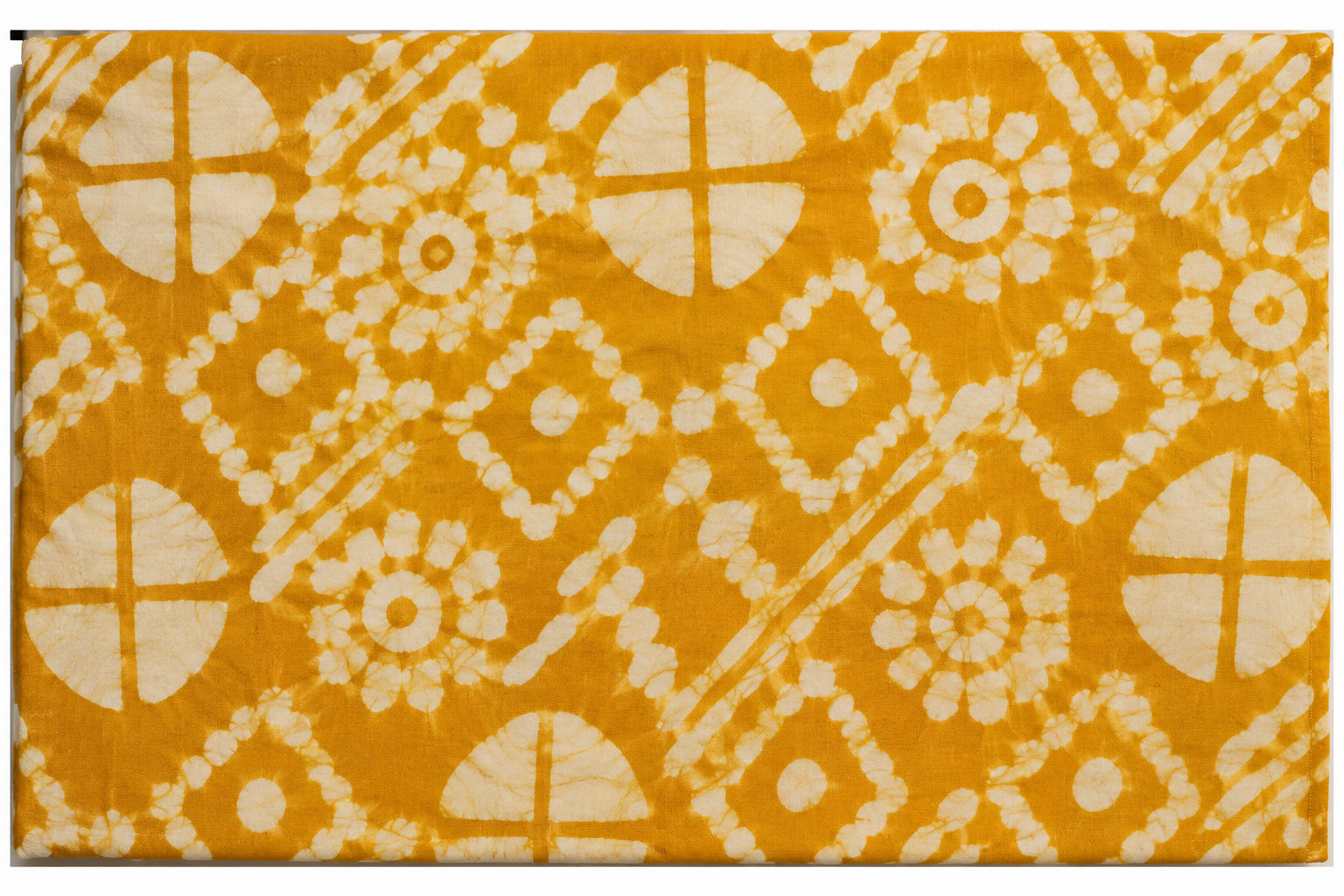
The Story
Batik is one of the world's oldest and most celebrated textile arts, known for its intricate patterns created through the wax-resist dyeing technique. The word Batik is believed to originate from the Indonesian word ambatik, meaning "to draw with wax." Over centuries, Batik has evolved into a rich cultural tradition practiced across Asia, Africa, and parts of the Middle East, with each region developing its own distinctive styles and motifs. Today, Batik is admired globally for its artistic beauty, handcrafted nature, and cultural significance.The history of Batik dates back more than 2,000 years. Early forms of wax-resist dyeing have been found in ancient civilizations across Egypt, China, India, and Indonesia. However, it was in Indonesia, particularly on the island of Java, that Batik developed into a highly refined art form and became deeply integrated into cultural and social life. For centuries, Batik was traditionally worn by royalty and nobility, with certain patterns reserved exclusively for royal families. Over time, the craft spread to local communities, becoming an important part of everyday life and cultural identity.
The Technique
Batik printing is a centuries-old textile art form that uses the wax-resist dyeing technique to create intricate patterns and beautiful color variations on fabric. Known for its distinctive crackle effects and handcrafted appeal, Batik printing combines artistry, precision, and multiple dyeing processes to produce unique textiles. Step 1: Applying Wax to the Fabric The Batik printing process begins with creating a design on the fabric. Artisans carefully draw or stamp patterns and apply melted wax to selected areas of the cloth. The wax acts as a protective barrier, preventing dye from penetrating those sections. Traditionally, white or beige cotton fabric is preferred, as it enhances the vibrancy and authenticity of the final Batik design. Step 2: First Dyeing Process Once the wax application is complete, the fabric is immersed in a dye bath. The exposed areas absorb the color, while the wax-covered portions remain unchanged. Traditionally, natural indigo dye is widely used, though other colors may also be applied depending on the design. This step creates the first layer of color and contrast within the Batik fabric. Step 3: Second Layer of Wax and Dye After the first dyeing, artisans apply a second layer of wax to preserve certain colored sections. A larger portion of the fabric is usually covered during this stage to create depth and multiple color tones. The fabric is then dipped into a darker dye bath, allowing the uncovered areas to absorb additional color while preserving the earlier shades beneath the wax. Step 4: Removing the Wax Once the dyeing process is complete, the wax is removed by immersing the fabric in boiling water. The heat melts the wax, which is then carefully scraped or washed away, revealing the hidden patterns and color contrasts underneath. Step 5: Final Wax Application To refine the design, artisans may apply another layer of wax to specific sections of the fabric. This stage helps correct minor imperfections and enhance intricate details, ensuring the final design matches the original artistic vision. Step 6: Final Dyeing and Finishing The fabric undergoes one final round of dyeing before the wax is removed again through boiling. This process deepens the colors and sharpens the contrast between different design elements. The repeated waxing and dyeing stages are what give handmade Batik textiles their rich visual complexity and unique character. Step 7: The Beauty of Finished Batik After all the wax has been removed, the fabric reveals its final design—a stunning combination of colors, patterns, and signature crackle effects. Every piece of Batik printed fabric is unique, reflecting the artisan's creativity and craftsmanship. Today, Batik printing is widely used to create sarees, dupattas, stoles, apparel, home furnishings, and decorative textiles, making it one of the most celebrated traditional textile arts in the world. Why Batik Printing is Special Handcrafted wax-resist dyeing technique Unique crackle patterns and textures Rich cultural heritage Sustainable artisan craftsmanship Every piece is one-of-a-kind
Traditional Motifs
Shop Batik Products
New Batik products are coming soon.